01
Brand Alignment
We begin with the purpose, position, customer, and commercial rhythm behind the collection.
B2B Cashmere Sampling with No MOQ · Production MOQ 12 Pcs/Color · Kathmandu Atelier
Your brand · An approved product brief
Develop cashmere products with your own labels and presentation. Review yarn, fit, samples and production scope with CashMire Collection in Nepal.
Private-label cashmere development
Private-label manufacturing brings your product specification and brand details into the same order. CashMire Collection, established in 2013 in Nepal, works with brands and retailers planning cashmere garments and accessories for their own customers.
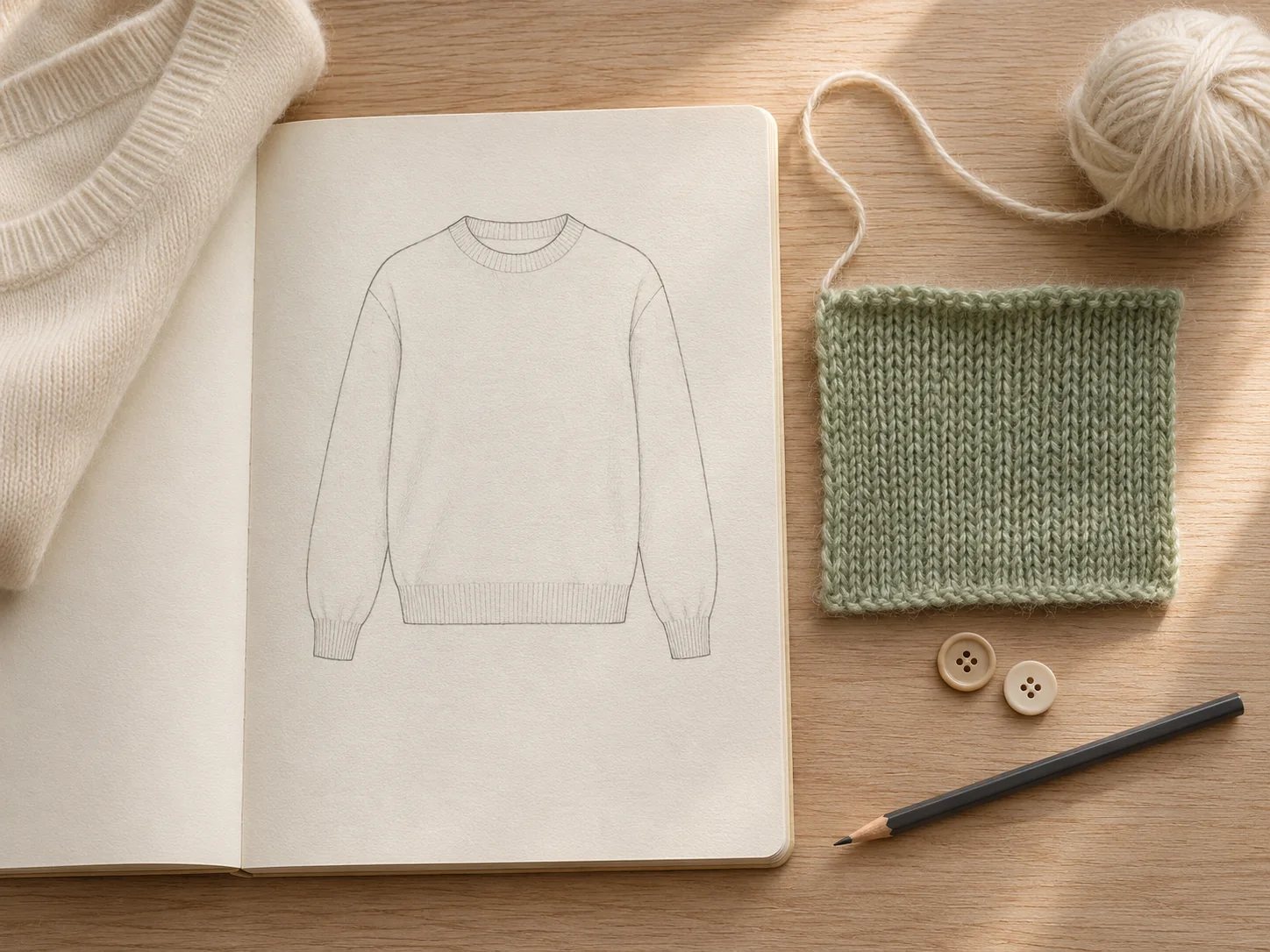
Bring a sketch, reference garment or technical pack and explain your intended customer, selling market and launch timing. We can then discuss what needs developing and which decisions must be approved before production.
Custom cashmere development
Separate the garment specification from its brand details while keeping both in the approval record. A sample can have the right fit while label artwork, size identification or packaging still needs a decision.
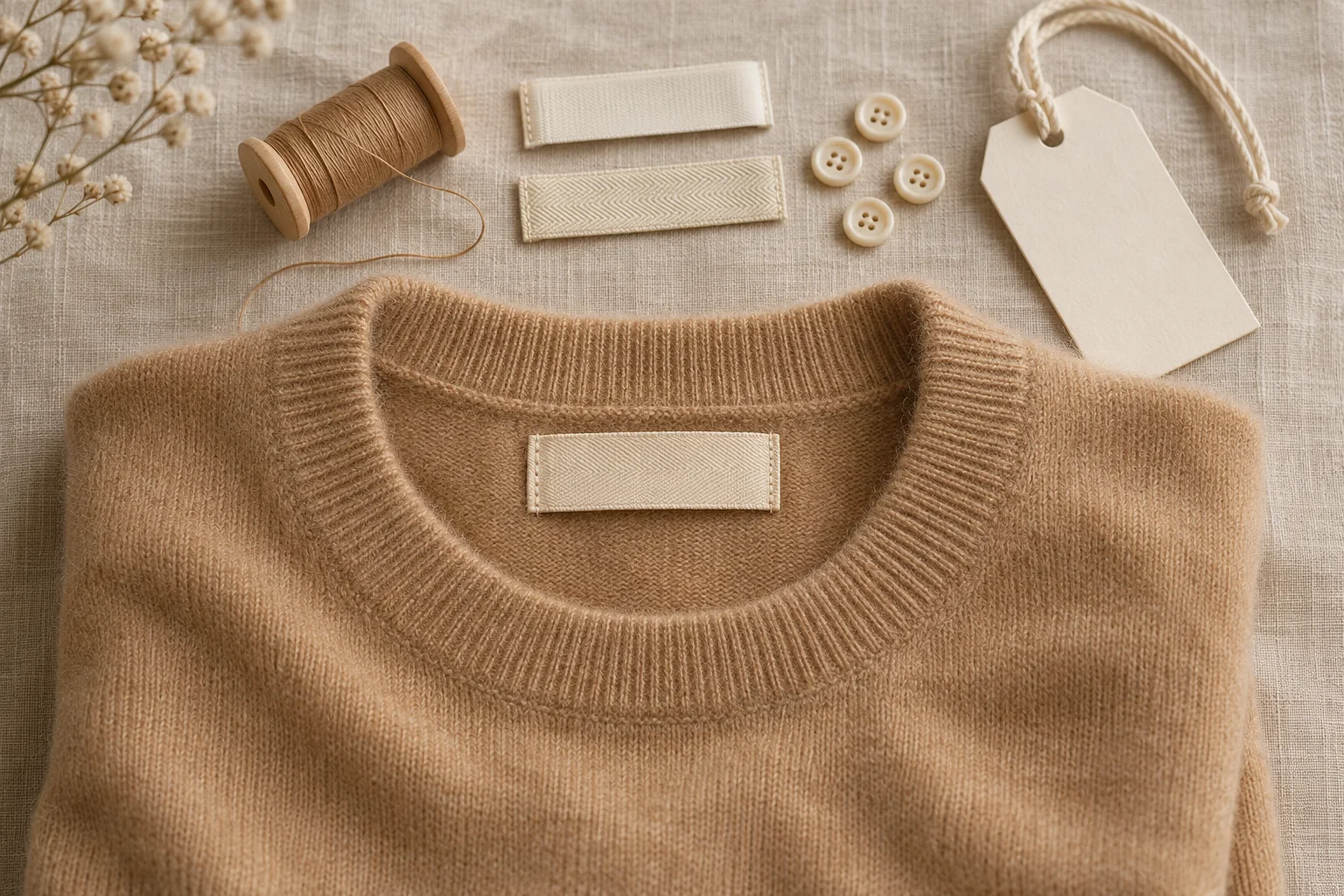
Provide the artwork you control, the wording required for your market and the intended placement. Confirm which labels, trims and packing items are included in the quotation; a reference image does not establish the supplied scope.
Programme foundations
These principles keep every stage connected: product, material, process, and repeatable commercial decision-making.
01
We begin with the purpose, position, customer, and commercial rhythm behind the collection.
02
Fibre, yarn, gauge, colour, and finish are considered together—not chosen in isolation.
03
A reviewed sample becomes the reference point for clear revisions and production decisions.
04
Packaging, presentation, quantities, and delivery are planned around the needs of your business.
A focused starting point
A private-label programme can begin with a concept, a technical document, a reference garment, or an existing collection ready for review.
Your Input
Our Atelier Execution
Technical sketch 01
Concept definition
The product brief
Every project begins with a shared picture of the product: its purpose, customer, material character, fit, and desired finish.
A good technical brief does not need to be complicated. It simply gives both teams a clear record of what is being made and how it should be reviewed.
Technical brief overview
01
Silhouette, measurements, fit comments, and the intended size range.
02
Fibre direction, gauge, ply, stitch structure, and preferred hand-feel.
03
Colour references, label placement, buttons, hangtags, and packaging details.
04
Indicative quantities, target market, launch timing, and warehouse destination.
Product clarity
Sampling has no minimum quantity, with sample and development charges where applicable. Production starts from 12 pieces per style and colorway. The indicative 35–45-day production period is confirmed after approval and material planning; development revisions and shipping require separate time.
No sampling MOQ
Sample charges may apply
12 pieces
Per style and colorway
35–45 days
Indicative production
By approval
Order-specific specification
Technical sketch 02
Production specification
Material with meaning
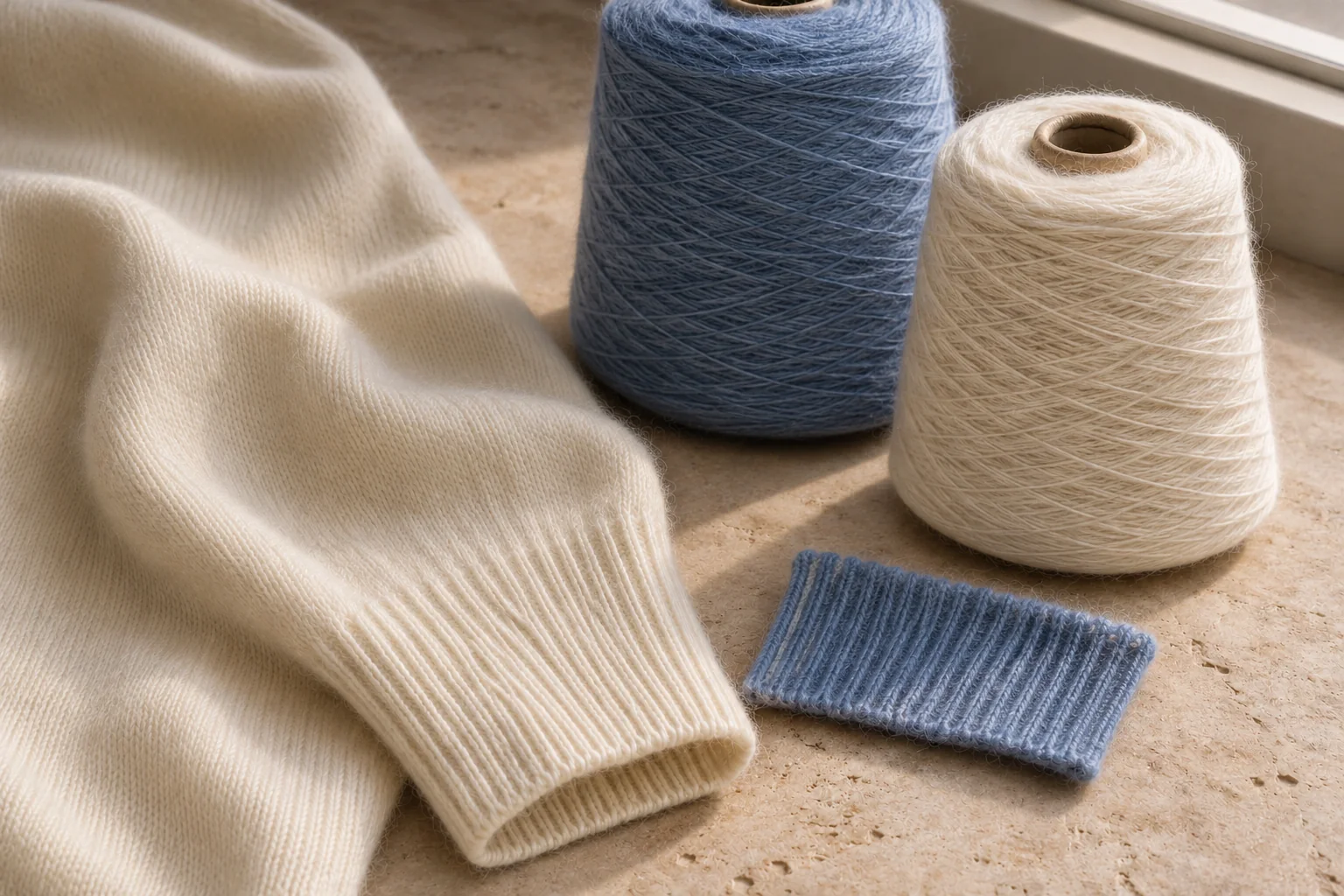
We work with selected yarn partners and discuss fibre character, construction, colour, and hand-feel in the context of the intended product—not as a separate technical exercise.
Material selection influences how a garment wears, develops, and communicates your brand. It is one of the earliest decisions, and one of the most valuable to make clearly.
Brand detail
Private label becomes distinctive through the decisions your customer sees, touches, and remembers. These details should support the product rather than compete with it.
01
Select yarn character, colour, construction, and finish with the collection’s intended customer in mind.
02
Samples, fit comments, and approvals remain visible throughout the development conversation.
03
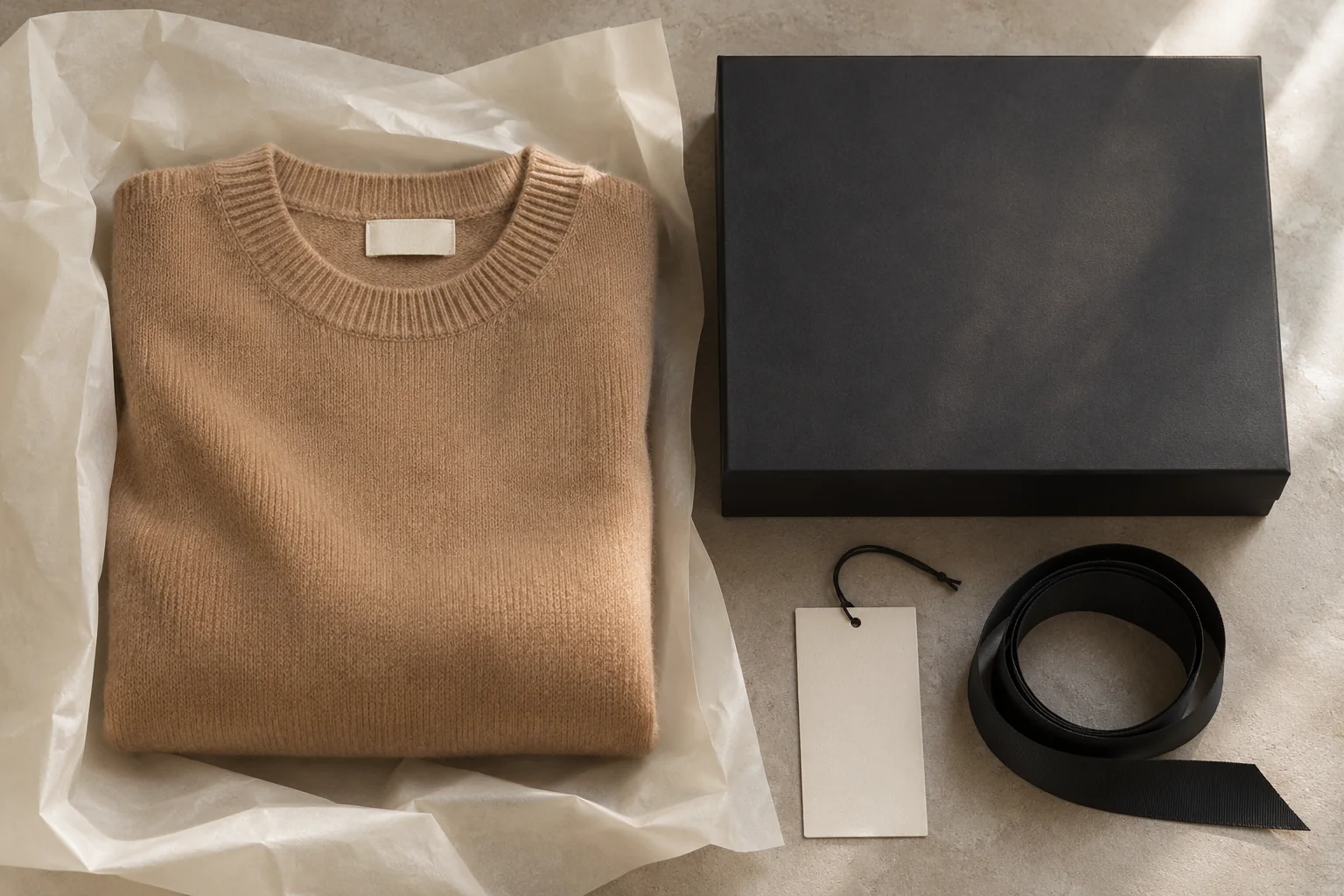
Neck labels, care labels, hangtags, and presentation are coordinated around your brand identity.
04
A considered programme can be reviewed, repeated, and refined as seasons and product stories develop.
Working together
Keep your approved sample, measurement chart, yarn and shade references, artwork and packing instructions together. For a reorder, identify any changes and ask us to confirm material availability and the new schedule. A previous order does not guarantee that the same shade remains in stock.
Clear questions and practical updates keep the work moving without unnecessary complexity.
Approved samples, specifications, and finishing references provide a shared production point.
Each stage is considered before the next, helping your team make confident decisions.
Final checks support a considered handover for dispatch, delivery, and the next collection.
A long-term approach
Plan your first range around the styles your customer needs, then decide how colours and sizes will be divided within each style. Share that breakdown with CashMire Collection so material, sample and production discussions refer to the collection you actually intend to order.
Development workflow
A considered route from the first brief to delivery, with each stage documented for clear review.
01
Send the references and measurements that explain your product, together with intended quantities and delivery needs. Identify any areas where you need development advice.
02
Review the available yarn, suitable gauge and colour reference together. Physical material approval and any custom colour work are scoped for the project.
03
Evaluate the garment for fit, handle and construction. Actual sample timing, costs and dispatch arrangements are confirmed for the material and development work.
04
Provide clear fitting and measurement feedback. Confirm any further sample work and record the approved size chart and specification for production.
05
Confirm material booking and workshop scheduling after sample approval. Production begins from 12 pieces per style and colorway, with the final scope and schedule recorded in the order.
06
Apply the presentation details included in the approved scope. Confirm shipment contents, destination and the agreed courier or freight arrangement before dispatch.
Private-label FAQs
A reference garment, sketch, or tech pack is useful, along with your intended product category, target customer, colour direction, and approximate quantities.
Yes. We can discuss yarn, gauge, construction, fit, and finishing so your brief is ready for a practical sample review.
We work from the agreed brief and sample feedback, documenting the next adjustment before a further development or production decision.
Private-label programmes can include neck labels, care labels, hangtags, and packaging details when these are defined within the approved brief.
Sampling has no MOQ; sample and development charges may apply. Production starts from 12 pieces per style and colorway. Confirm your proposed size and colour breakdown with our team.
Allow an indicative 35–45 days for production, confirmed after the sample and order details are approved and material timing is reviewed. Sampling, revisions and delivery transit need separate allowances.
Share the product direction, desired timing, and contact details through the development brief. Our team will respond with the appropriate next step.
A garment may fit correctly while its labels still need work. Keep artwork, placement, size identification and packing instructions visible in the approval record. Provide any destination-specific wording requirement before artwork is finalised.
Send CashMire Collection your proposed colour and size breakdown alongside the branding brief. Production starts from 12 pieces per style and colorway; sampling has no MOQ, with development and sample charges where applicable. Brand approval and product approval need to describe the same final version.
CashMire Collection
Share your product direction, target market, and preferred timeline. We will review the material, construction, development pathway, and practical route for your project.