B2B Cashmere Sampling with No MOQ · Production MOQ 12 Pcs/Color · Kathmandu Atelier

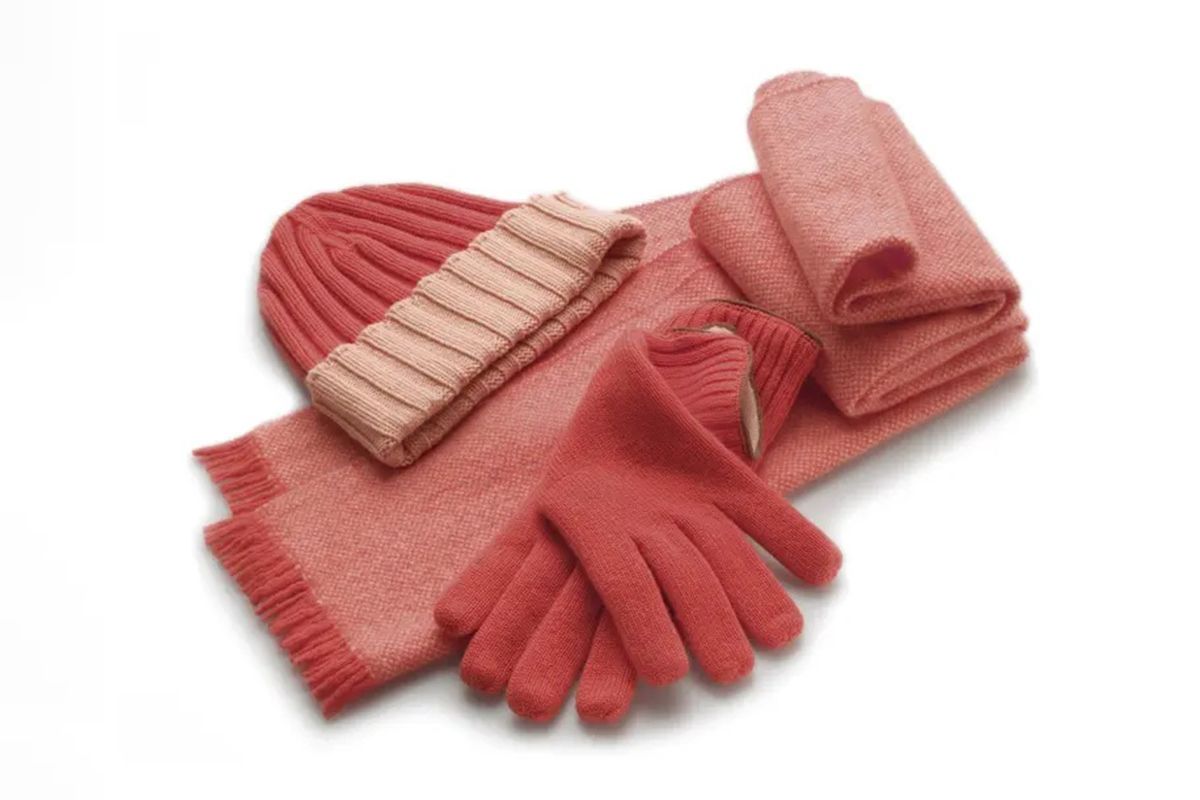
The Ultimate Cashmere Guide: Quality, Care & Buying Tips
·
CashMire Collection
·
10/31/2026
·
5 min read
Cashmere is celebrated as one of the world’s most luxurious natural fibers. Exceptionally soft, beautifully lightweight, and wonderfully warm, it has earned a permanent place in the world of fine knitwear and timeless fashion.
Yet, despite its reputation, cashmere remains one of the most misunderstood materials. Why does it cost so much? What separates exceptional cashmere from an ordinary sweater? Is all cashmere created equal? And how can you care for it properly so that it remains beautiful for years?
Whether you’re considering your first cashmere purchase or looking to build a collection of lasting wardrobe essentials, understanding the fiber makes all the difference.
In this comprehensive guide, we’ll explore everything you need to know about cashmere, from its fascinating history and origins to fiber quality, production, pricing, styling, sustainability, and proper care. By the end, you’ll know how to recognize quality, shop with confidence, and get the most out of every cashmere piece you own.
1. WHAT IS CASHMERE?
Cashmere is a luxurious natural animal fiber obtained from the exceptionally soft undercoat of cashmere goats. Unlike ordinary sheep’s wool, which can sometimes feel coarse or irritating against the skin, cashmere is prized for its fine texture, remarkable softness, and excellent insulating properties.
Its distinctive qualities include:
- Exceptional softness: Fine fibers create a smooth, gentle feel against the skin.
- Lightweight warmth: Cashmere provides excellent insulation without the heaviness of many traditional wool fabrics.
- Breathability: Its natural structure helps regulate body temperature and manage moisture.
- Beautiful drape: Quality cashmere falls naturally and creates an elegant, fluid silhouette.
Cashmere fibers are measured in microns, a unit used to describe their diameter. Generally, the finer the fiber, the softer it feels.
Today, cashmere is used in a wide range of products, including:
- Sweaters, jumpers, and cardigans
- Scarves, shawls, and wraps
- Hats, gloves, and other winter accessories
- Coats and luxury outerwear
- Blankets, throws, and home textiles
To understand why cashmere is so highly valued, it helps to explore where it originated and how it became one of the world’s most desirable luxury fibers.
2. THE HISTORY AND ORIGIN OF CASHMERE
The roots of cashmere: Kashmir and Central Asia
The word cashmere originates from Kashmir, a region in the northern Indian subcontinent historically renowned for its extraordinary shawl-making tradition.
For centuries, skilled artisans in Kashmir transformed the fine undercoat of Himalayan goats into beautifully woven shawls. These textiles became symbols of refinement, craftsmanship, and social status.
Although the name is associated with Kashmir, cashmere goats are found across a much wider geographical area, including:
- The Himalayan regions of India and Nepal
- Mongolia and Inner Mongolia in China
- Afghanistan and Iran
- Other mountainous and high-altitude regions of Central Asia
How cashmere became a luxury textile
Ancient and medieval trade
Fine goat-hair textiles from Kashmir were traded across Asia and beyond. Highly prized by wealthy families, merchants, and royalty, these exquisite shawls became valuable luxury possessions.
The 18th and 19th centuries
European travelers and traders introduced Kashmir shawls to France and Britain. Their popularity grew rapidly, particularly among European aristocrats and fashionable society.
The industrial era
As demand increased, textile manufacturers in Scotland and later Italy began importing raw cashmere fiber to produce shawls, fabrics, and knitwear. Their expertise helped establish the modern European cashmere industry.
The modern cashmere industry
Today, China, particularly Inner Mongolia, and Mongolia are among the world’s largest producers of raw cashmere.
Other important producing countries include Afghanistan, Iran, and parts of Central Asia.
Meanwhile, Scotland and Italy remain particularly respected for their cashmere manufacturing traditions:
- Scotland: Known for its heritage in fine knitwear and woven cashmere.
- Italy: Celebrated for its luxury textile mills, sophisticated finishing techniques, and high-end fashion production.
The origin of the raw fiber and the location of manufacturing are two different things. A garment made in Italy, for example, may use cashmere sourced from Mongolia or China.
Both the raw material and the craftsmanship involved in processing it contribute to the final quality.
3. WHERE DOES CASHMERE COME FROM?
Cashmere comes from a particular type of domestic goat, commonly identified as Capra hircus. These goats have adapted to some of the world’s coldest and most challenging environments.
The goat and its natural habitat
Cashmere goats thrive in regions with extreme seasonal temperature changes, including the dry grasslands of Mongolia and the high-altitude landscapes of the Himalayas.
To survive harsh winters, they develop a distinctive double coat consisting of:
- Guard hair: A coarse outer layer that protects against wind, rain, snow, and harsh weather.
- Underdown: A soft, fine insulating layer beneath the guard hair. This is the valuable cashmere fiber.
Important cashmere-producing regions include Mongolia, Inner Mongolia, the Himalayan regions of India and Nepal, Afghanistan, and Iran.
Seasonal growth and harvesting
During winter, goats naturally grow a thicker undercoat to protect themselves from freezing temperatures.
As spring arrives and temperatures rise, they begin to shed this insulating layer.
This natural molting period is when herders collect the cashmere, ideally using gentle combing techniques to remove the loose underdown without unnecessarily disturbing the goats.
4. HOW MUCH CASHMERE DOES ONE GOAT PRODUCE?
One of the biggest reasons cashmere is expensive is the remarkably small amount of usable fiber each goat produces.
Depending on the breed, climate, animal, and processing method, one goat may provide approximately 150–300 grams of usable cashmere per year.
This means that several goats may be needed to produce a single high-quality sweater.
The limited yield, combined with the labor-intensive harvesting and processing involved, makes cashmere a relatively rare and valuable natural fiber.
Unlike conventional sheep’s wool, which can be harvested in much larger quantities, cashmere requires considerable care to collect, separate, and prepare.
5. HOW IS CASHMERE PRODUCED?
Transforming cashmere from a goat’s undercoat into a beautifully finished garment involves several stages. Each step plays an important role in determining the final softness, strength, appearance, and durability.
Step 1: Collecting the fiber — combing vs. shearing
There are two principal methods of collecting cashmere.
Combing
Combing is traditionally preferred for collecting loose underdown during the natural shedding season.
- The goat is gently combed to remove the soft undercoat.
- Most of the coarse guard hair remains on the animal.
- The process is relatively labor-intensive.
- The collected fiber may require less extensive separation, depending on its cleanliness.
When carried out properly, combing can be a gentle harvesting method.
Shearing
Shearing involves cutting the entire coat using clippers.
- Both the guard hair and underdown are collected.
- Additional sorting and dehairing are required.
- The process can be faster, but the resulting fiber may contain more coarse hair.
Animal welfare depends on the handling, timing, and expertise of the people carrying out either method. Careful harvesting practices are essential.
Step 2: Sorting and dehairing
After collection, the raw fiber is sorted according to several characteristics:
- Color: white, beige, brown, and gray
- Fiber length
- Fiber fineness
- Cleanliness and overall condition
The fiber then undergoes dehairing, a process that separates the valuable soft underdown from the coarse outer guard hairs.
This is one of the most important stages of cashmere production because the presence of coarse fibers can affect the softness and consistency of the finished material.
Step 3: Washing and scouring
The dehaired fiber is carefully washed to remove dust, dirt, natural oils, and other impurities.
Cashmere contains less natural grease than conventional sheep’s wool, but it still requires cleaning before further processing.
Step 4: Carding and spinning
Once clean, the fibers are carded to separate and align them before being spun into yarn.
Cashmere yarn can be produced in different constructions:
- Single-ply
- Two-ply
- Four-ply
- Six-ply and other multi-ply constructions
The yarn construction influences the garment’s weight, warmth, texture, and durability.
However, a higher ply count does not automatically mean better quality. Fiber quality and spinning techniques remain essential.
Step 5: Knitting and weaving
The finished yarn is transformed into garments and textiles.
Knitted cashmere is commonly used for sweaters, cardigans, hats, gloves, and other soft accessories.
Woven cashmere is used for scarves, shawls, coats, and blankets.
Step 6: Finishing
The final stage involves finishing treatments that improve the appearance, texture, and drape of the material.
These may include washing, controlled milling, brushing, steaming, and pressing.
The result is the beautifully soft, refined cashmere fabric that makes this natural fiber so desirable.
6. UNDERSTANDING CASHMERE QUALITY AND GRADING
Not all cashmere is equal. Two garments may both carry a 100% cashmere label yet differ considerably in softness, strength, appearance, and longevity.
Several important factors determine the quality of cashmere.
Fiber diameter: understanding microns
Fiber diameter is one of the most important indicators of cashmere fineness.
It is measured in microns, with smaller numbers generally indicating finer fibers.
As a broad guide:
- Very fine cashmere: Approximately 14–16 microns.
- Medium-fine cashmere: Approximately 16–18 microns.
- Coarser cashmere: Approximately 18–19 microns or above.
You may also encounter the following commercial grading descriptions:
- Grade A: Usually associated with finer fibers, often around 14–15.5 microns.
- Grade B: Generally associated with fibers around 16–18 microns.
- Grade C: Often used for coarser fibers around 18–19 microns or above.
It is important to understand that these grades are not universally standardized across the cashmere industry. Always consider the actual fiber specifications rather than relying on a grade label alone.
Fiber length
Fiber length is another major factor affecting durability.
Longer fibers generally:
- Produce stronger yarn.
- Create a smoother fabric surface.
- Reduce the tendency to pill.
- Help garments maintain their appearance over time.
High-quality cashmere often contains fibers approximately 30–40 millimeters long or longer.
Shorter fibers can produce a softer initial surface but are more likely to escape from the yarn and form pills.
Natural fiber color
Cashmere naturally comes in several shades:
- White and off-white
- Light beige
- Brown
- Gray
White cashmere is particularly versatile because it can be dyed into a wide range of colors with less need for aggressive color correction or bleaching.
However, natural color alone does not determine the quality of the fiber.
Yarn construction and knit quality
Even excellent raw cashmere can produce a disappointing garment if the yarn and construction are poor.
Consider the following:
Ply
Ply refers to the number of yarn strands twisted together.
Two-ply cashmere is common in quality sweaters, while heavier multi-ply constructions create thicker and often warmer garments.
More plies do not necessarily mean superior fiber quality.
Gauge
Gauge refers to the number of stitches within a given measurement and influences the appearance and thickness of the knit.
Fine-gauge knits are typically lighter and more delicate, while heavier constructions create a more substantial feel.
Knit density
A well-constructed, balanced knit generally maintains its shape better and offers improved durability.
Very loose knits may feel wonderfully soft but can be more susceptible to stretching, snagging, and losing their original shape.
Ultimately, exceptional cashmere combines fine, well-prepared fibers with quality yarn production and careful craftsmanship.
7. DIFFERENT TYPES OF CASHMERE
Cashmere can be classified according to its geographical origin, fiber composition, and fabric construction.
Understanding these distinctions makes it easier to choose products that suit your lifestyle and budget.
By geographical origin
Mongolian and Inner Mongolian cashmere
These regions are among the world’s most important sources of cashmere.
The harsh climate encourages goats to develop insulating undercoats, and the region is known for producing a wide range of fine cashmere fibers.
Himalayan cashmere and pashmina
Pashmina traditionally refers to exceptionally fine cashmere obtained from Himalayan goats.
The term is particularly associated with the heritage shawl-making traditions of Kashmir.
However, the word is widely used in modern retail, and not every product marketed as pashmina contains genuine fine cashmere.
By fiber composition
100% pure cashmere
This is the traditional luxury choice.
It offers the characteristic softness, warmth, and lightweight comfort associated with cashmere, although its durability depends heavily on fiber quality and construction.
Cashmere blends
Cashmere is frequently blended with other fibers, including:
- Merino wool
- Silk
- Cotton
- Nylon and other synthetic fibers
Each blend offers different characteristics.
For example, merino wool can add structure and resilience, silk can introduce a subtle sheen, and cotton can create a different seasonal feel.
Blends can also make cashmere garments more affordable.
Virgin vs. recycled cashmere
Virgin cashmere
Virgin cashmere is newly harvested fiber that has not previously been used in another textile product.
Recycled cashmere
Recycled cashmere is produced by reprocessing existing textile materials.
It can come from:
- Pre-consumer waste, such as leftover factory yarn and fabric.
- Post-consumer garments that are collected, sorted, and recycled.
Recycled cashmere can help reduce waste and demand for newly harvested fiber.
However, mechanical recycling may shorten fibers, potentially affecting yarn strength and softness. Quality varies according to the recycling and manufacturing processes.
By fabric construction
Cashmere is also available in several textile constructions:
- Knitted cashmere: Sweaters, cardigans, beanies, and gloves.
- Woven cashmere: Scarves, shawls, coats, and blankets.
- Brushed cashmere: Treated to create a softer, slightly raised surface.
- Felted cashmere: Processed to produce a denser, more compact fabric.
Each construction offers a different balance of softness, warmth, structure, and appearance.
8. WHY IS CASHMERE SO SPECIAL? KEY PROPERTIES AND BENEFITS
Cashmere’s popularity comes from a combination of natural characteristics that make it particularly comfortable and versatile.
Exceptional softness
The fine diameter and smooth surface of quality cashmere fibers create a luxurious feel against the skin.
This makes cashmere particularly appealing for garments worn directly against the body.
Warmth without excessive weight
Cashmere is an excellent natural insulator.
Its fine fibers create spaces that trap warm air, helping retain body heat without requiring a heavy or bulky fabric.
This is one reason lightweight cashmere sweaters can provide impressive warmth.
Breathability and temperature regulation
Cashmere is a natural fiber that allows moisture vapor to move through the fabric.
It can help regulate comfort across changing temperatures, making it suitable for layering and different seasonal conditions.
Elegant drape and texture
High-quality cashmere has a distinctive combination of softness, flexibility, and fluid drape.
It falls naturally around the body, creating a refined appearance without feeling stiff.
Comfort against the skin
Cashmere generally contains less lanolin than conventional sheep’s wool and is often more comfortable for people who find ordinary wool irritating.
However, individual skin sensitivity varies, and no natural fiber is guaranteed to be irritation-free.
9. HOW TO IDENTIFY GENUINE, HIGH-QUALITY CASHMERE
With so many different qualities and price points available, knowing what to look for is essential.
Here are some practical ways to evaluate a cashmere garment before buying.
Check the fiber-content label
Always begin with the composition label.
Look for clear descriptions such as:
- 100% cashmere
- 70% cashmere, 30% merino wool
- 50% cashmere, 50% silk
Be cautious with vague marketing terms such as:
- Cashmere feel
- Cashmere touch
- Cashmere-like softness
These descriptions do not guarantee that the product contains genuine cashmere.
Also remember that the term pashmina is frequently used loosely. Check the actual fiber composition rather than relying on the product name.
Feel the fabric
Genuine cashmere should generally feel soft, warm, and pleasant against the skin.
Look for:
- A smooth, natural texture.
- Softness without an excessively slippery or artificial feel.
- A lightweight but substantial construction.
- An even surface without excessive fuzziness.
Extremely fluffy garments are not necessarily superior. Excessive surface fluff can sometimes indicate short fibers, loose yarn construction, or heavy finishing treatments.
Test stretch and recovery
Gently stretch a small section of the fabric and release it.
A well-constructed knit should have some natural elasticity and recover reasonably well.
If the garment remains distorted or excessively stretched, its construction may be weak.
Examine the knit and finishing
Look closely at the garment’s construction.
Pay particular attention to:
- Even stitch formation.
- Consistent knit density.
- Neat seams.
- Well-finished cuffs and hems.
- Strong ribbing and collar construction.
- Loose threads or visible defects.
If possible, hold the garment up to the light. An excessively open or uneven knit may be less durable.
Understand pilling
Pilling is a natural characteristic of cashmere.
Small balls of fiber can form on the surface as the garment experiences friction, particularly around the underarms, sleeves, and sides.
Some initial pilling is normal. However, excessive pilling after very limited wear may indicate shorter fibers, weaker yarn construction, or an unsuitable knit structure.
Good-quality cashmere can also pill, but well-made garments generally become easier to maintain with appropriate care.
Use price as one indicator
Cashmere prices vary considerably.
An unusually inexpensive 100% cashmere sweater may involve:
- Lower-grade or shorter fibers.
- A very lightweight construction.
- Limited quality control.
- Less expensive manufacturing methods.
On the other hand, a high price does not automatically guarantee exceptional quality. Branding, marketing, and retail positioning can contribute significantly to the final cost.
Always evaluate price alongside fiber quality, construction, finishing, and sourcing.
10. HOW TO CARE FOR CASHMERE: WASHING, DRYING AND STORAGE
Cashmere is a natural luxury fiber, but it does not have to be difficult to maintain.
With the right care, a quality cashmere garment can remain a wardrobe favorite for many years.
Washing: hand washing vs. dry cleaning
Contrary to popular belief, most cashmere knitwear does not require frequent professional dry cleaning.
Gentle hand washing is often suitable, provided the garment’s care label allows it.
How to hand-wash cashmere
- Fill a clean basin with cool or lukewarm water.
- Add a small amount of detergent specifically designed for wool or cashmere.
- Turn the garment inside out.
- Submerge it gently and allow it to soak for approximately 5–10 minutes.
- Move the garment carefully through the water without rubbing or twisting.
- Rinse thoroughly with clean, cool water.
- Gently press out excess water without wringing the fabric.
Avoid harsh detergents, bleach, and excessive agitation.
When to choose dry cleaning
Professional cleaning may be more appropriate for:
- Tailored cashmere coats.
- Lined garments.
- Structured outerwear.
- Items specifically marked dry-clean only.
Choose a cleaner experienced in handling delicate natural fibers.
Drying cashmere properly
Drying is just as important as washing.
Follow these steps:
- Place the garment flat on a clean, dry towel.
- Roll the towel gently to absorb excess moisture.
- Unroll and carefully reshape the garment.
- Lay it flat on a fresh, dry surface.
- Allow it to air-dry naturally, away from direct sunlight and heat.
Never hang wet cashmere, as the weight of the water can stretch the fibers.
Avoid tumble drying, radiators, and direct heat.
Storing cashmere
Proper storage protects cashmere from stretching, dust, moisture, and moth damage.
Follow these simple rules:
- Always fold cashmere rather than hanging it.
- Store it in a cool, dry, well-ventilated space.
- Use breathable cotton storage bags or clean drawers.
- Avoid plastic bags for long-term storage.
Protecting cashmere from moths
Moths are attracted to natural animal fibers, particularly when garments contain traces of perspiration, body oils, or food.
Before storing seasonal cashmere:
- Wash or clean each garment.
- Make sure it is completely dry.
- Keep storage areas clean.
- Use cedar blocks or lavender sachets as supplementary repellents.
Avoid placing scented wood directly against delicate garments.
Removing pills
Pilling is normal and does not necessarily indicate poor quality.
To remove pills safely:
- Lay the garment flat.
- Use a dedicated cashmere comb or a gentle fabric shaver.
- Work carefully in one direction.
- Apply minimal pressure.
- Avoid repeatedly shaving the same area.
Regular, gentle maintenance is far better than aggressive treatment.
11. HOW TO STYLE CASHMERE: TIMELESS WARDROBE IDEAS
Cashmere is much more versatile than many people realize.
Although often associated with winter luxury, it can be worn throughout the year depending on the weight, construction, and styling of the garment.
Build a timeless cashmere wardrobe
If you’re investing in your first few pieces, consider these essentials:
- Crew-neck sweater: A classic choice that works with almost anything.
- V-neck sweater: Ideal for layering over shirts and creating a polished look.
- Turtleneck: Elegant, versatile, and particularly useful during colder months.
- Cashmere cardigan: A comfortable alternative to a structured jacket.
- Cashmere scarf: A timeless accessory that adds warmth and sophistication.
- Cashmere wrap: Perfect for travel, evenings, and transitional weather.
Neutral shades such as camel, gray, navy, black, and cream are particularly versatile.
Casual everyday styling
For an effortless weekend look, pair a cashmere crew-neck sweater with:
- Straight-leg or relaxed denim.
- Classic trainers or ankle boots.
- A simple leather bag.
- A coordinating cashmere scarf.
The result is comfortable without looking overly casual.
Workwear and smart-casual outfits
Cashmere works beautifully in professional wardrobes.
Try:
- A V-neck sweater layered over a crisp white shirt with tailored trousers.
- A fitted turtleneck underneath a blazer.
- A fine cashmere cardigan paired with a midi skirt.
- A lightweight crew-neck sweater with structured trousers and loafers.
These combinations create a polished look while remaining comfortable throughout the day.
Evening and special occasions
Cashmere can also bring softness and understated luxury to evening outfits.
Consider:
- A cashmere wrap over an elegant dress.
- A black cashmere sweater with a satin skirt.
- A fitted jewel-toned knit with tailored trousers and heels.
- A fine cashmere cardigan layered over a silk dress.
Experiment with color and texture
One of the easiest ways to elevate cashmere styling is to combine different textures.
Pair cashmere with:
- Denim for everyday sophistication.
- Silk for an elegant contrast.
- Leather for a modern, structured look.
- Cotton for effortless layering.
- Satin for evening dressing.
Once you have a foundation of neutral cashmere pieces, experiment with emerald, burgundy, sapphire, blush, lavender, and soft blue.
12. CASHMERE AND SUSTAINABILITY: ENVIRONMENTAL AND ETHICAL CONSIDERATIONS
Although cashmere is a natural and renewable fiber, its production can create significant environmental and animal-welfare challenges.
Understanding these issues is an important part of making responsible purchasing decisions.
Overgrazing and grassland degradation
The growing global demand for inexpensive cashmere has contributed to increasing goat populations in some producing regions, particularly Mongolia and Inner Mongolia.
When grazing is poorly managed, large goat populations can place considerable pressure on fragile grassland ecosystems.
Goats naturally graze close to the ground and can contribute to vegetation loss when stocking levels exceed the land’s capacity.
The consequences may include:
- Soil degradation.
- Loss of vegetation.
- Increased soil erosion.
- Desertification.
- Dust storms.
- Damage to wildlife habitats.
Responsible grazing management is therefore essential to maintaining healthy grasslands and protecting local livelihoods.
Animal welfare
The welfare of cashmere goats depends on how they are raised, handled, and harvested.
Important considerations include:
- Gentle combing and shearing practices.
- Proper shelter during extreme weather.
- Adequate food and water.
- Appropriate veterinary care.
- Responsible breeding and herd management.
- Avoiding unnecessary stress and injury during harvesting.
Brands that can explain their animal-welfare practices provide greater transparency than those that rely on vague ethical claims.
Certifications and sustainability standards
Several organizations and standards aim to improve practices within the cashmere and wider textile industries.
The Good Cashmere Standard (GCS)
Focuses on improving goat welfare, environmental management, and the livelihoods of cashmere-producing communities.
Sustainable Fibre Alliance (SFA)
Works to promote responsible cashmere production through improved animal welfare, land management, and supply-chain practices.
OEKO-TEX Standard 100
Tests textile products for harmful substances. It is useful for understanding chemical safety, although it does not independently guarantee sustainable fiber sourcing or animal welfare.
Global Recycled Standard (GRS)
Provides verification for recycled materials and includes additional environmental and social criteria within certified supply chains.
Remember that certifications cover different aspects of production. One certificate does not automatically guarantee that every stage of a product’s supply chain is sustainable.
How to make more responsible cashmere purchases
You can reduce your impact by making more thoughtful choices.
- Buy fewer pieces and prioritize quality.
- Choose garments that suit your lifestyle and that you will wear regularly.
- Consider recycled cashmere.
- Look for transparent sourcing information.
- Support brands that invest in responsible grazing and animal welfare.
- Keep garments in good condition rather than replacing them frequently.
The most sustainable cashmere garment is often the one you already own and continue to wear.
13. WHAT DETERMINES THE PRICE OF CASHMERE?
Cashmere prices range from relatively accessible high-street products to exceptionally expensive luxury garments.
Several factors explain these differences.
1. Raw fiber quality
Fine, long, well-sorted fibers generally command higher prices.
The diameter, length, color, and cleanliness of the raw fiber all influence its value.
2. The amount of cashmere used
A dense, substantial sweater generally requires more yarn than a lightweight, fine-gauge garment.
Two sweaters may look similar in photographs but differ significantly in weight, thickness, and construction.
The amount of material used is an important part of the final cost.
3. Production and craftsmanship
Cashmere processing involves specialized knowledge and skilled labor.
Costs increase with:
- Careful fiber sorting and dehairing.
- High-quality spinning.
- Skilled knitting and weaving.
- Detailed finishing.
- Consistent quality control.
4. Country of manufacturing
Countries such as Scotland and Italy have long-established textile industries and highly regarded cashmere manufacturing traditions.
Their products may command higher prices due to skilled craftsmanship, labor costs, manufacturing standards, and heritage.
However, the country of manufacture alone does not determine quality.
5. Brand positioning and markup
Luxury fashion brands often charge premiums for:
- Brand reputation.
- Design and exclusivity.
- Marketing.
- Retail experience.
- Distribution and packaging.
A lesser-known manufacturer may sometimes offer comparable material quality and construction at a more accessible price.
6. Ethical and sustainable production
Brands investing in responsible sourcing, fairer working conditions, improved grazing management, traceability, and independent certifications may face higher production costs.
These investments can contribute to the final retail price.
Ultimately, the best value comes from finding a garment that combines reliable quality, thoughtful production, and a price that reflects its actual materials and craftsmanship.
14. COMMON CASHMERE MYTHS: WHAT YOU SHOULD REALLY KNOW
There are plenty of misconceptions surrounding cashmere. Let’s separate fact from fiction.
Myth 1: Real cashmere never pills.
The truth: All cashmere can pill, particularly during the early stages of wear.
Pilling depends on several factors, including fiber length, yarn construction, knit density, and friction.
High-quality cashmere may pill initially, but well-made garments generally become easier to maintain over time.
Myth 2: More ply always means better quality.
The truth: Ply refers to the number of yarn strands twisted together.
A four-ply sweater may be thicker and warmer than a two-ply sweater, but that does not automatically make it superior.
Fiber quality, spinning, and construction matter much more than ply count alone.
Myth 3: Cashmere is too delicate to wash at home.
The truth: Many cashmere knits can be safely hand-washed when their care labels permit it.
Gentle washing with an appropriate detergent can be a practical alternative to frequent professional dry cleaning.
Myth 4: Anything labeled pashmina must be premium cashmere.
The truth: Traditionally, pashmina refers to exceptionally fine Himalayan cashmere.
However, the term is widely used in modern retail and does not always indicate genuine cashmere.
Some products sold as pashmina are made from viscose, acrylic, wool blends, or other fibers.
Always check the composition label.
Myth 5: All cashmere production is unethical and environmentally damaging.
The truth: Poorly managed cashmere production can cause serious environmental and animal-welfare problems.
However, responsible producers and improved sourcing practices do exist.
Choosing transparent brands, supporting responsible production, considering recycled fibers, and purchasing fewer but better garments can help reduce the negative impact.
15. THE ULTIMATE CASHMERE BUYING GUIDE: HOW TO CHOOSE THE RIGHT PIECE
Now that you understand the fiber, production, and quality factors, it’s time to put that knowledge into practice.
Buying cashmere should be an investment in comfort, craftsmanship, and long-term wardrobe value.
Here is how to make a confident choice.
Step 1: Define your priorities
Before shopping, consider what matters most to you.
Are you looking for:
- Exceptional softness and luxury?
- Durability for everyday wear?
- Warmth for colder climates?
- Responsible and transparent sourcing?
- A versatile wardrobe essential?
- The best possible quality within a specific budget?
Your priorities will help determine which characteristics deserve the most attention.
Step 2: Choose between pure cashmere and blends
Choose 100% cashmere if you want the traditional cashmere experience, including its characteristic softness, warmth, and lightweight feel.
Choose a cashmere blend if you prefer:
- A more structured fabric.
- Additional durability or elasticity.
- A lower price.
- A different texture or seasonal weight.
Neither option is automatically better. The right choice depends on how you intend to wear the garment.
Step 3: Read the label carefully
Check the fiber composition rather than relying on the product description alone.
Also look for:
- Country of manufacture.
- Care instructions.
- Information about fiber origin.
- Details about certifications, if applicable.
Remember that a garment’s manufacturing country and the origin of its raw cashmere may be different.
Step 4: Evaluate the fabric and construction
If shopping in person, take time to touch and examine the garment.
Look for:
- A soft, even texture.
- Consistent stitch formation.
- Good knit density.
- Neat seams and finishing.
- A balanced weight.
- Reasonable stretch and recovery.
If buying online, prioritize retailers that provide close-up product photographs, detailed specifications, and clear descriptions of fabric weight and construction.
Customer reviews can also provide useful information about softness, fit, pilling, and durability.
Step 5: Match the garment to your lifestyle
Different cashmere pieces serve different purposes.
For everyday office wear
Choose lightweight or medium-weight sweaters that layer easily under jackets and coats.
For cold winters
Consider denser knit constructions and heavier garments that provide greater insulation.
For travel
A large cashmere scarf or wrap is particularly versatile. It can be used as an accessory, an extra layer, or a lightweight travel blanket.
For year-round versatility
Fine-gauge cashmere cardigans and lightweight sweaters are excellent wardrobe investments.
Step 6: Evaluate price versus value
Rather than automatically choosing the cheapest or most expensive option, consider what you are actually paying for.
A lower-priced garment may offer excellent value if its fiber quality and construction are good.
A luxury-priced garment may justify its cost through superior materials, skilled craftsmanship, traceability, or a design you will wear for years.
However, a recognizable brand name alone is not proof of better cashmere.
Step 7: Investigate the brand's transparency
If ethical and environmental considerations matter to you, research the company’s sourcing practices.
Look for:
- Clear information about cashmere origins.
- Animal-welfare policies.
- Responsible grazing initiatives.
- Supply-chain traceability.
- Independent certifications.
- Specific environmental commitments.
Relevant standards and initiatives include the Good Cashmere Standard, Sustainable Fibre Alliance, OEKO-TEX Standard 100, and Global Recycled Standard.
Be cautious of broad claims such as ‘eco-friendly’ or ‘sustainably made’ without supporting information.
The more transparent a brand is about its materials and production processes, the easier it becomes to make an informed purchasing decision.
16. FINAL THOUGHTS: WHY CASHMERE IS WORTH THE INVESTMENT
Cashmere is much more than a beautiful natural fiber. It represents a combination of nature, traditional craftsmanship, and timeless design.
Its exceptional softness, lightweight warmth, and elegant appearance make it one of the most desirable materials in luxury fashion.
However, not every cashmere garment offers the same quality or value. Understanding fiber fineness, length, yarn construction, manufacturing, and responsible sourcing helps you look beyond the label and recognize what makes a piece truly special.
To get the most out of your cashmere:
- Choose quality over quantity.
- Understand what determines softness and durability.
- Look beyond brand names and marketing claims.
- Invest in well-made pieces that suit your lifestyle.
- Follow proper washing, drying, and storage techniques.
- Support brands that prioritize animal welfare, responsible land management, and transparent sourcing.
A thoughtfully chosen cashmere sweater, scarf, or coat can remain part of your wardrobe for many years.
Ultimately, the beauty of cashmere lies not simply in how luxurious it feels when you first wear it, but in how well it serves you over time.
Buy thoughtfully, care for it properly, and enjoy the timeless luxury of cashmere for years to come.
FAQs
What exactly is cashmere?
Cashmere is a luxurious natural fiber obtained from the soft undercoat of cashmere goats. It is known for its exceptional softness, lightweight warmth, breathability, and elegant texture. Unlike ordinary wool, cashmere fibers are generally finer, making them particularly comfortable against the skin.
Why is cashmere so expensive?
Cashmere is expensive because each goat produces only a small amount of usable undercoat fiber each year. The harvesting, sorting, dehairing, spinning, and finishing processes also require considerable time and skill. The finest fibers are particularly valuable because they are soft, lightweight, and relatively rare.
Is cashmere warmer than wool?
Yes, cashmere can provide excellent insulation relative to its weight. Its fine fibers trap air, helping retain body heat without creating a heavy or bulky garment. This makes cashmere particularly appealing for lightweight winter clothing.
How can you tell if cashmere is genuine?
Start by checking the fiber-content label for a clear declaration, such as 100% cashmere. Examine the fabric for a soft, natural feel, consistent knitting, and good construction. Be cautious of vague descriptions such as ‘cashmere touch’ or ‘cashmere feel’, which do not guarantee genuine cashmere content.
What is the difference between cashmere and pashmina?
Pashmina traditionally refers to exceptionally fine cashmere obtained from Himalayan goats. It is particularly associated with the luxurious shawl-making heritage of Kashmir. Today, however, the term is widely used in retail, and some products marketed as pashmina contain synthetic fibers or other blends.
Does cashmere pill?
Yes. Pilling is a natural characteristic of cashmere and occurs when loose fibers work their way to the surface and form small balls. Initial pilling is common, especially in areas exposed to friction. Quality fiber, good yarn construction, and gentle maintenance can help reduce excessive pilling.
Can you wash cashmere at home?
Yes. Most cashmere knitwear can be hand-washed at home if the care label permits it. Use cool or lukewarm water and a mild detergent designed for wool or cashmere. Gently rinse, press out excess water without twisting, and dry the garment flat.
How often should you wash cashmere?
Cashmere does not need to be washed after every wear. Washing frequency depends on how often the garment is worn, the amount of perspiration, and whether it has picked up dirt or odors. Airing it between wears can help keep it fresh. Wash it when necessary and always follow the care label.
How long does a cashmere sweater last?
A well-made cashmere sweater can last for many years, sometimes decades, with proper care. Its lifespan depends on fiber quality, yarn construction, frequency of wear, washing methods, and storage. Choosing durable construction and maintaining the garment gently can significantly extend its life.
Is cashmere worth the investment?
Cashmere can be worth the investment if you value softness, lightweight warmth, and timeless style. A well-made piece can become a long-term wardrobe essential. However, the highest price does not always mean the highest quality, so consider fiber specifications, construction, and craftsmanship before buying.
Is cashmere sustainable?
Cashmere is a natural and renewable fiber, but its production can have environmental impacts. Poorly managed goat grazing can contribute to grassland degradation, soil erosion, and biodiversity loss. More responsible sourcing, improved grazing management, animal-welfare standards, and recycled cashmere can help reduce these impacts.
What should you look for when buying a cashmere sweater?
Look for clear fiber-content labeling, fine and reasonably long fibers, consistent knit construction, neat finishing, and good shape recovery. Consider the garment’s weight, intended use, and price. If sustainability is important, investigate the brand’s sourcing practices, animal-welfare policies, and relevant certifications.
Discussion
Share your perspective or ask a question about this article.
Explore Our Himalayan Production Capabilities
Our team welcomes B2B inquiries and provides custom gauge swatches for private label development.